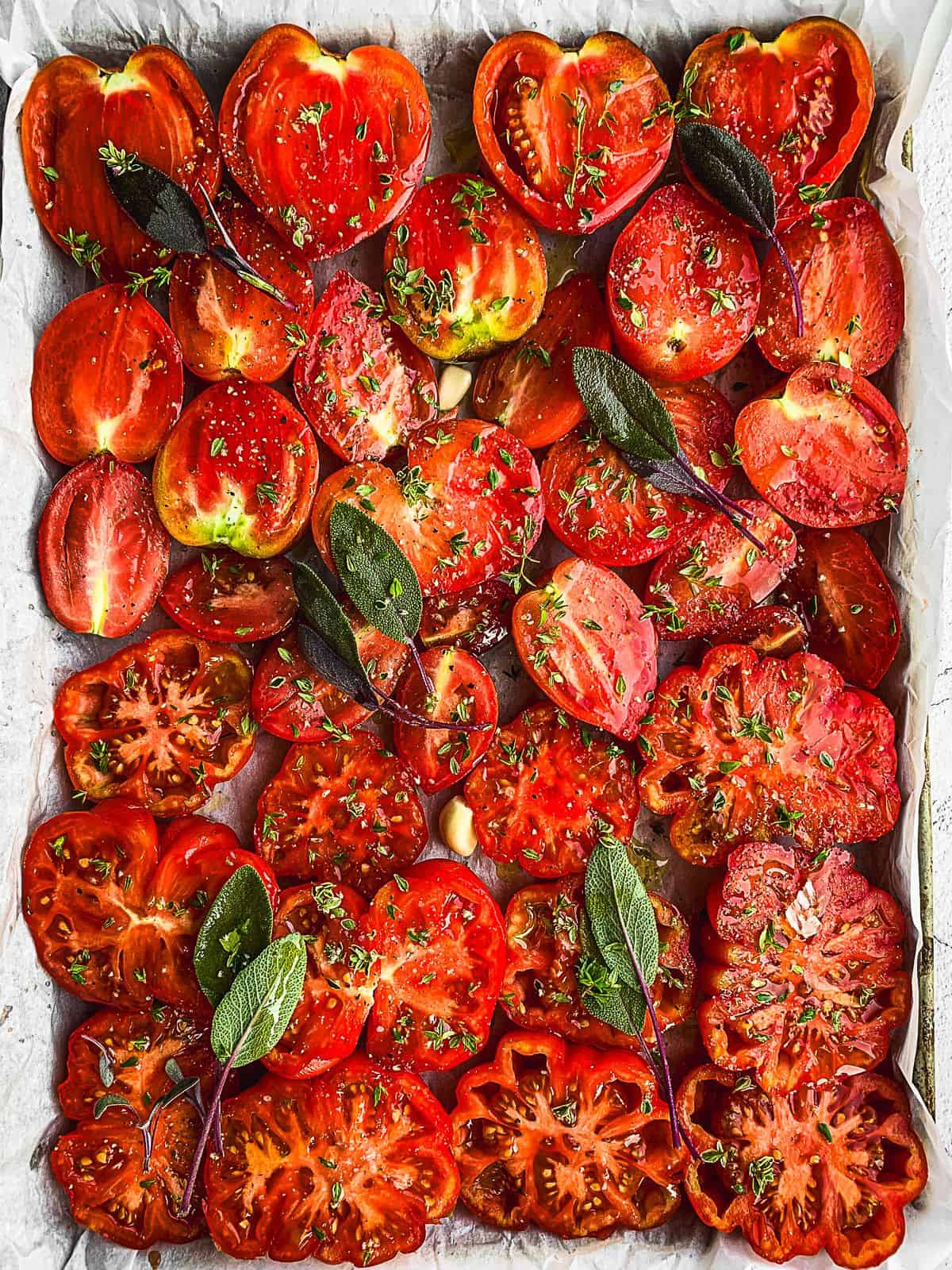
Easy Roasted Tomato Sauce: Sweet & Flavorful Homemade Recipe
Imagine a pasta dish, rich with the vibrant taste of sun-ripened tomatoes, sweet and slightly caramelized from the oven, infused with aromatic garlic and herbs. This isn't just a fantasy; it's the delicious reality of a truly excellent homemade roasted tomato sauce. Forget jarred alternatives that often disappoint with their lack of depth or artificial sweetness. Crafting your own sweet and flavorful homemade roasted tomato sauce is not only surprisingly easy but transforms a simple meal into a culinary experience. It’s a celebration of fresh produce, yielding a sauce that sings with natural sweetness and complexity, perfect for coating your favorite pasta, topping a pizza, or enriching a hearty stew.Why Roasting Your Tomatoes is a Game-Changer for Sauce
The magic behind this recipe lies in the roasting process. While stovetop sauces are undeniably delicious, baking your tomatoes in the oven unlocks a profound depth of flavor that simmering alone can't quite achieve. Here's why roasting is the secret weapon for an easy and incredibly flavorful homemade roasted tomato sauce:- Concentrated Sweetness: High heat in the oven coaxes out and concentrates the natural sugars within the tomatoes. This caramelization process, similar to what happens when you roast vegetables, intensifies their inherent sweetness, creating a more mellow and less acidic sauce.
- Deep Umami Notes: Roasting also triggers the Maillard reaction, a chemical process that browns food and creates hundreds of new flavor compounds. This results in a deeper, more savory, umami-rich taste that adds incredible complexity to your sauce.
- Enhanced Aromatics: When garlic, herbs, and onions roast alongside the tomatoes, their flavors meld and deepen. The pungent raw edge of garlic mellows into a sweet, nutty aroma, infusing the entire dish with warmth and fragrance.
- Hands-Off Cooking: A significant advantage of roasting is its largely passive nature. After a quick chop and toss, the oven does most of the work, freeing you up to prepare other elements of your meal or simply relax. This makes it an ideal method for busy weeknights or relaxed weekend cooking.
In essence, roasting transforms humble fresh tomatoes into a flavor powerhouse, laying the foundation for an unforgettable sauce that’s both vibrant and deeply satisfying.
Choosing the Perfect Tomatoes and Key Ingredients for Success
The foundation of any great homemade roasted tomato sauce begins with exceptional ingredients. While the roasting process works wonders, starting with quality produce elevates the final product from good to truly sublime.The Star: Fresh, Ripe Tomatoes
The single most important ingredient is, of course, the tomatoes. For the most vibrant and sweet roasted tomato sauce, choose tomatoes that are:
- Ripe: This is non-negotiable. Ripe tomatoes are bursting with natural sugars and robust flavor. Unripe tomatoes, on the other hand, can lead to a tart or bland sauce, even with roasting. Look for tomatoes that are firm but yield slightly to gentle pressure, with a rich, uniform color and a fragrant tomatoey scent.
- Fresh: Ideally, use garden-fresh or farmers' market tomatoes in season. Their flavor will be miles ahead of greenhouse-grown varieties.
- Variety Matters (or Not!): While many recipes champion specific varieties like Roma (plum tomatoes) for their meaty texture and lower water content, you can honestly use almost any type of ripe tomato.
- Roma/Plum Tomatoes: Excellent choice for a thicker sauce due to their dense flesh.
- Cherry or Grape Tomatoes: Surprisingly fantastic for roasted sauce. Their high skin-to-flesh ratio means intense flavor concentration when roasted, and their thin skins virtually disappear. No peeling required!
- Heirloom Tomatoes: While beautiful and flavorful, their high water content might require a longer simmering time to thicken the sauce.
- Mixed Varieties: Don't be afraid to combine different types! A blend of textures and flavors can add wonderful complexity.
Pro Tip: If fresh, ripe tomatoes are out of season or hard to find, a can of good quality whole peeled tomatoes (San Marzano are a classic choice) can be added during the simmering phase to boost the tomato content. Simply break them up gently with a spoon.
Essential Aromatics and Seasonings
- Fresh Garlic: Absolutely essential. Roasting garlic mellows its pungency, transforming it into a sweet, nutty, and incredibly aromatic component. Don't substitute with garlic powder here.
- Good Quality Olive Oil: Extra virgin olive oil will lend a beautiful fruity, peppery note and help the tomatoes caramelize without sticking.
- Herbs: Dried herbs like oregano, thyme, or a classic Italian blend are perfect for roasting, as their flavors intensify with heat. If you plan to add fresh herbs like basil or fresh oregano, stir them in right before serving to preserve their bright, delicate flavor.
- Salt and Black Pepper: Tomatoes love salt! Don't be shy. Season generously to bring out all the beautiful flavors.
- Onion (Optional, but Recommended): Sautéing a finely diced onion while the tomatoes roast adds another layer of sweetness and depth to the finished sauce.
Balancing Sweetness and Acidity
Even ripe tomatoes can sometimes be a little tart. Here are a few natural ways to achieve that perfect sweet-and-savory balance:
- Red Bell Pepper: Adding half a small red bell pepper to the roasting pan with your tomatoes imparts natural sweetness and a beautiful mild flavor without adding sugar. It also contributes to the sauce's body.
- Carrot: A finely shredded carrot, added during the simmering stage, can subtly sweeten the sauce while also adding a hint of earthy flavor and a touch of body.
- A Pinch of Sugar: As a last resort, if your sauce is still too acidic after simmering and tasting, add ¼ teaspoon of sugar at a time, stirring and tasting until balanced. Mastering Roasted Tomato Sauce: Tips for Best Flavor & Texture often involves these nuanced adjustments.
Step-by-Step Guide to Your Easy Roasted Tomato Sauce
Making homemade roasted tomato sauce is incredibly straightforward. Follow these steps for a truly delicious result:- Preheat & Prep Tomatoes: Preheat your oven to a robust 400°F (200°C). Wash your tomatoes thoroughly. Depending on their size, halve them (Roma, smaller heirlooms) or quarter them (larger varieties). Cherry or grape tomatoes can be left whole. There's no need to peel the tomatoes beforehand, as the skins soften beautifully during roasting, and any larger pieces can be easily removed after cooking if desired.
- Season for Roasting: Place the prepared tomatoes in a large roasting pan or on a rimmed baking sheet. Drizzle generously with olive oil. Add whole garlic cloves (or roughly chopped, if you prefer), dried herbs like oregano or an Italian blend, a good sprinkle of salt, and freshly ground black pepper. Toss everything together directly on the sheet to ensure all surfaces are coated. Arrange them in a single layer to ensure even roasting and caramelization.
- Roast to Perfection: Place the baking sheet in the preheated oven and roast for 35-50 minutes, or until the tomatoes are softened, slightly shriveled, and caramelized around the edges. The garlic should be golden and fragrant.
- Sauté the Base (Optional, but Recommended): While the tomatoes are roasting, heat a tablespoon of olive oil in a large saucepan or Dutch oven over medium heat. Add one finely diced onion (if using) and sauté until softened and translucent, about 5-7 minutes. This builds another layer of flavor.
- Combine & Simmer: Carefully transfer the roasted tomatoes (including all the juices and caramelized bits from the pan – that's pure flavor!) and roasted garlic to the saucepan with the softened onion. Use a spoon or potato masher to gently break down the roasted tomatoes to your desired consistency. If using, add a can of whole peeled tomatoes and break them up. Add a splash of vegetable stock or water if the sauce seems too thick at this stage. Bring the sauce to a gentle simmer.
- Thicken & Adjust: Continue to simmer the sauce, stirring occasionally, for 20-30 minutes, or until it has thickened to your liking. The longer it simmers, the more concentrated and thick it will become. Taste and adjust seasonings – you might need more salt, pepper, or a pinch of sugar/grated carrot to balance any acidity.
- Achieve Desired Texture: For a chunky, rustic sauce, simply leave it as is. For a smoother consistency, use an immersion blender directly in the pot, or carefully transfer batches to a regular blender and blend until smooth. Be cautious when blending hot liquids.
- Finish & Serve: Stir in any fresh herbs, like chopped basil, just before serving. Toss your sweet and flavorful homemade roasted tomato sauce with freshly cooked pasta (remember, don't rinse or oil the pasta – the starches help the sauce adhere!) and serve immediately with a generous grating of Parmesan cheese.
Customizing Your Sauce: Variations and Flavor Boosters
While the basic recipe for homemade roasted tomato sauce is stellar on its own, it also serves as a fantastic canvas for culinary creativity. Don't be afraid to experiment!- Spice it Up: Add a pinch of red pepper flakes with the tomatoes before roasting for a subtle kick, or a generous amount for a fiery arrabbiata-style sauce.
- Veggie Boost: Roast other vegetables alongside your tomatoes for added flavor and nutrition. Slices of zucchini, eggplant, or more bell peppers are excellent choices. Cubed carrots or parsnips can also add sweetness and depth.
- Herb Variations: Swap basil for fresh parsley, marjoram, or even a hint of rosemary or sage. Just remember to add delicate fresh herbs at the very end.
- Richness & Umami:
- A splash of red wine added to the sautéed onions before the tomatoes can deepen the flavor profile.
- A tablespoon of tomato paste, added and cooked for a minute with the onions, also boosts umami.
- For an extra layer of savory depth, simmer a Parmesan rind in the sauce and remove it before serving.
- A tiny dash of balsamic vinegar or Worcestershire sauce at the end can add complexity.
- Creamy Finish: Stir in a dollop of cream, mascarpone, or a pat of butter at the very end for a richer, more luxurious sauce.
Storing Your Homemade Roasted Tomato Sauce
One of the greatest advantages of making a big batch of homemade roasted tomato sauce is its excellent storability. You can enjoy the taste of summer sunshine long after the season ends.- Refrigeration: Store leftover sauce in an airtight container or a jar with a tight-fitting lid in the refrigerator for up to 5 days.
- Freezing: Freezing is an excellent way to preserve your sauce for months.
- Portioning: Allow the sauce to cool completely. Ladle it into freezer-safe containers, leaving a little headspace for expansion. For individual servings, consider freezing in ice cube trays, then transferring the frozen cubes to a freezer bag.
- Freezer Bags: For larger quantities, use heavy-duty freezer bags. Lay them flat on a baking sheet in the freezer until solid, then store them upright to save space.
- Duration: Properly stored, your homemade roasted tomato sauce will keep in the freezer for up to 6 months without significant loss of quality.
- Thawing: Thaw overnight in the refrigerator, or gently reheat from frozen in a saucepan over low heat, stirring frequently.
