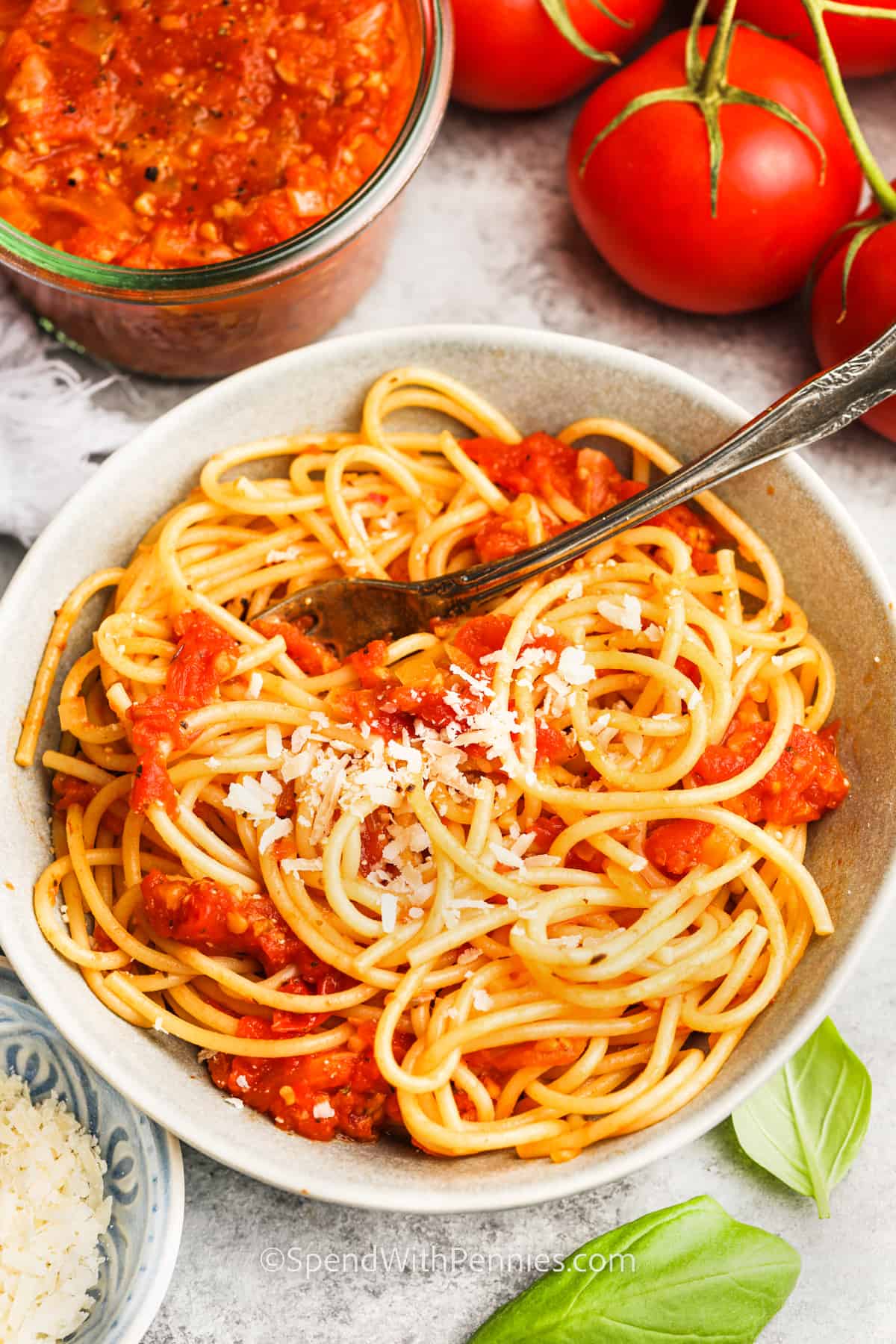
Homemade Roasted Tomato Sauce: Preserve Summer Flavor, Freeze for Later
Imagine bottling the very essence of a sun-drenched summer day, ready to be uncorked and enjoyed any time of the year. That's precisely the magic of crafting your own homemade roasted tomato sauce. Far beyond the simple convenience of a jarred alternative, this culinary creation transforms fresh, ripe garden tomatoes into a rich, complex, and intensely flavorful experience. By roasting, we unlock deeper sweet notes and a sublime aroma that simply can't be achieved through stovetop cooking alone. It's an easy yet incredibly rewarding process that allows you to capture summer's bounty and enjoy its vibrant taste, even when snow is on the ground.
Why Roast Tomatoes for Sauce? Unlocking Depth of Flavor
The secret to an unparalleled tomato sauce often lies in the initial preparation of the star ingredient: the tomato itself. While simmering tomatoes on the stovetop yields a perfectly acceptable sauce, roasting them first elevates the flavor profile to an entirely new dimension. When tomatoes are subjected to the high heat of an oven, a wonderful transformation occurs. The natural sugars within the tomatoes caramelize, intensifying their inherent sweetness and reducing their sometimes-sharp acidity. The edges of the tomatoes beautifully char, contributing a subtle smokiness and a profound umami depth that becomes the backbone of your sauce.
This roasting process isn't just about sweetness; it's about concentrating flavor. As moisture evaporates in the oven, the tomato essence becomes more potent and robust. You're not just cooking tomatoes; you're coaxing out their very best, creating a foundation that is both bright and savory. This extra step, while minimal in effort, makes all the difference in achieving a sauce that tastes sophisticated, layered, and truly unforgettable. It’s this deep, roasted character that sets homemade roasted tomato sauce apart and makes it so incredibly versatile for everything from pasta dishes to pizza bases.
The Heart of the Sauce: Selecting Your Tomatoes and Key Ingredients
The journey to an exquisite homemade roasted tomato sauce begins with selection. The quality of your ingredients, especially the tomatoes, dictates the final flavor.
*
The Tomatoes: The absolute cornerstone. For the most vibrant and sweet sauce, prioritize
fresh, ripe, in-season tomatoes. If they aren't ripe, the sauce might lean tart and lack that fresh burst of flavor. While any variety works, certain types excel. Roma tomatoes are popular due to their meaty flesh and lower water content, resulting in a thicker sauce. Cherry or grape tomatoes, though small, burst with concentrated sweetness and often have thinner skins, making them ideal for roasting whole without needing to peel. Heirloom varieties can offer complex, nuanced flavors. Don't be afraid to mix and match varieties to build a sauce with greater depth. For those times when fresh tomatoes are scarce or you're a bit short, a can of good quality whole peeled tomatoes can be added during the simmering stage to boost volume and flavor – just break them up gently with a spoon.
*
Aromatics: Fresh garlic cloves are non-negotiable, infusing the sauce with their pungent, earthy notes that soften and sweeten with roasting.
Onion, sautéed until softened before combining with the roasted tomatoes, adds another layer of sweet, savory depth.
*
Healthy Fats: A generous drizzle of good quality
olive oil is essential. It coats the tomatoes, aids in the caramelization process, and carries the flavors throughout the sauce.
*
Herbs and Spices: Start with dried herbs like
oregano during the roasting phase, as their flavors deepen with heat. If using fresh herbs like
basil,
thyme, or
rosemary, stir them in towards the end of simmering or just before serving to preserve their bright, delicate aromas. Don't shy away from
salt and freshly cracked black pepper; tomatoes can handle a surprising amount of seasoning, and proper seasoning enhances all other flavors. For those who enjoy a little kick, a pinch of
chilli flakes can add a delightful warmth.
*
Balancing Sweetness and Acidity: Ripe tomatoes are naturally sweet, but sometimes tomatoes can be a bit tart. To temper acidity and enhance sweetness, you have a few natural options. Roasting alone helps, but adding
½ of a small red bell pepper to the roasting pan provides a lovely subtle sweetness and extra flavor. Alternatively, a pinch of
sugar (¼ teaspoon at a time while simmering) or even some finely shredded carrot can effectively balance the tartness without making the sauce overly sweet.
Crafting Your Masterpiece: Step-by-Step Roasting and Simmering
Making homemade roasted tomato sauce is a straightforward process that yields incredible results. Here’s how to bring it all together:
1.
Prepare the Tomatoes: Wash your ripe tomatoes thoroughly. For larger varieties like Roma or beefsteak, halve or quarter them. Smaller varieties like cherry or grape tomatoes can be roasted whole. Peeling is generally not required, especially for thin-skinned varieties, as the skins often soften during roasting or can be easily removed afterwards if desired. However, if you prefer a completely skinless sauce and are using larger tomatoes, you can use a quick blanch-and-peel method before roasting.
2.
Season and Roast: Place the prepared tomatoes in a large roasting pan or a rimmed baking sheet. Drizzle generously with olive oil. Add chopped fresh garlic, dried herbs (like oregano), salt, and pepper. Toss everything together until well coated. Arrange the tomatoes in a single layer to ensure even roasting and good caramelization. If adding bell pepper for sweetness, include it now. Roast in a hot oven (around 400°F or 200°C) for 35-50 minutes, or until the tomatoes are softened, slightly shriveled, and have developed some lovely browned edges. The aroma filling your kitchen will be incredible!
3.
Sauté Aromatics (Optional, but Recommended): While the tomatoes are roasting, heat a little more olive oil in a large saucepan or Dutch oven over medium heat. Add chopped onion and cook until softened and translucent, about 5-7 minutes. This builds another layer of flavor.
4.
Combine and Simmer: Carefully transfer the roasted tomatoes and any accumulated juices from the baking sheet into the saucepan with the sautéed onions. Add any other desired ingredients, such as vegetable stock or water for a looser consistency, or a can of whole tomatoes if you're boosting volume. Bring the mixture to a gentle simmer.
5.
Thicken and Flavor Develop: Allow the sauce to simmer for at least 20-30 minutes, or even longer (up to an hour), stirring occasionally. Simmering not only thickens the sauce but also allows the flavors to meld and deepen beautifully. This is when you can adjust for sweetness or acidity with a pinch of sugar or shredded carrot if needed.
6.
Achieve Desired Texture: Once the sauce has thickened to your liking, decide on your preferred texture. For a rustic, chunky sauce, simply leave it as is or gently mash some of the larger tomato pieces with the back of a spoon. For a smoother sauce, use an immersion blender directly in the pot until you reach your desired consistency. Alternatively, transfer batches to a regular blender, being careful with hot liquids.
7.
Finish and Serve: Stir in any fresh herbs, like chopped basil, just before serving. Serve your glorious
easy roasted tomato sauce hot over your favorite cooked pasta, ensuring you don't rinse or oil the pasta – the starches help the sauce cling beautifully. Garnish with freshly grated Parmesan cheese and a sprig of fresh basil, if desired.
Preserving Summer's Bounty: Storage and Freezing for Year-Round Enjoyment
One of the greatest joys of making homemade roasted tomato sauce is the ability to preserve that peak-season flavor for months to come. This means you can whip up a large batch and have delicious, wholesome meals ready with minimal effort.
*
Refrigeration: For immediate use, allow the sauce to cool completely. Transfer it to clean jars or airtight containers with tight-fitting lids. Stored in the refrigerator, your homemade roasted tomato sauce will stay fresh and delicious for up to 5 days.
*
Freezing for Long-Term Preservation: Freezing is the ultimate way to capture summer's taste for extended periods. Once the sauce has cooled completely, you have several excellent options for freezing:
*
Freezer Bags: This is a popular and efficient method. Pour cooled sauce into heavy-duty freezer bags, expelling as much air as possible before sealing. Lay the bags flat on a baking sheet in your freezer until they are solid. Once frozen flat, you can store them upright like "books" in your freezer to save significant space. This method also allows for quick thawing.
*
Airtight Containers: Food-safe freezer containers are also an excellent choice. Leave about an inch of headspace at the top of the container to allow for expansion as the sauce freezes.
*
Portioning: Consider freezing your sauce in meal-sized portions. This could mean a single serving, a family-sized portion, or even small amounts in ice cube trays for quick additions to other dishes.
*
Duration: Properly frozen, homemade roasted tomato sauce can maintain its quality and flavor for up to 6 months. While still safe to eat beyond that, the quality may start to degrade.
*
Thawing: To use frozen sauce, simply transfer a bag or container to the refrigerator overnight to thaw. For quicker thawing, you can place a sealed bag in a bowl of cold water, or gently reheat from frozen over low heat on the stovetop or in the microwave.
By following these preservation tips, you're not just making a sauce; you're investing in future delicious meals, ensuring that the vibrant taste of summer is always just a thaw away. For more detailed insights into perfecting your sauce, check out our guide on
Mastering Roasted Tomato Sauce: Tips for Best Flavor & Texture.
In conclusion, crafting homemade roasted tomato sauce is a truly rewarding endeavor. It's a simple process that transforms humble tomatoes into a rich, flavorful, and versatile staple, allowing you to capture the peak taste of summer in every spoonful. From selecting the ripest tomatoes to the magical caramelization in the oven, and finally, the ease of preserving it for later, every step contributes to a culinary creation that far surpasses any store-bought alternative. So, embrace the season, get roasting, and fill your freezer with this vibrant taste of summer – your future self will thank you for every delicious, homemade meal.