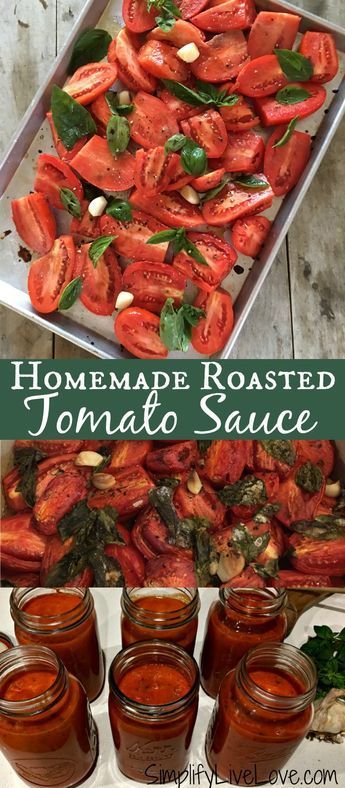
There's an undeniable magic that happens when sun-ripened tomatoes meet the gentle heat of an oven. What emerges isn't just a sauce, but a vibrant celebration of flavor – a culinary cornerstone that elevates simple pasta into an extraordinary meal. While store-bought options are convenient, nothing compares to the rich, complex, and utterly fresh taste of a homemade roasted tomato sauce. It's a simple technique that unlocks the true potential of your produce, transforming humble garden tomatoes into a sweet, savory, and incredibly versatile foundation for countless dishes.
If you're looking to enhance your home cooking repertoire and truly impress your palate, mastering this sauce is a must. From selecting the perfect produce to understanding the nuanced alchemy of roasting, we'll guide you through the process, ensuring every batch you make is bursting with an unparalleled depth of flavor and ideal texture.
The Magic of Roasting: Why It's the Secret to Superior Sauce
The core difference between a good tomato sauce and an exceptional one often lies in the preliminary step of roasting. While simmering fresh tomatoes on the stovetop yields a perfectly acceptable result, oven roasting introduces a transformative process that deeply enriches the flavor profile. As tomatoes are exposed to high heat, a phenomenon known as the Maillard reaction occurs, responsible for the delicious browning and caramelization of their natural sugars. This isn't just about color; it's about creating entirely new flavor compounds.
Unlike raw tomatoes which can be quite acidic, roasting mellows this tartness, drawing out and concentrating their inherent sweetness. The intense heat evaporates excess water, leaving behind a more intense, robust tomato essence. You'll notice an "extra layer of flavor" – a complexity and depth that's simply unattainable through boiling or stewing alone. This process concentrates the umami, making the finished sauce taste richer, sweeter, and significantly less watery, providing a superior base for any pasta dish or culinary creation.
Selecting Your Stars: Choosing the Best Tomatoes and Complementary Ingredients
The journey to the ultimate homemade roasted tomato sauce begins with the very best ingredients. Quality truly makes all the difference here, especially when it comes to your primary component: the tomatoes.
Tomatoes: The Foundation of Flavor
- Fresh and Ripe is Paramount: This cannot be overstated. The "best tomato sauce starts with fresh ripe tomatoes." If your tomatoes aren’t ripe, the sauce will lack that vibrant, fresh taste and may turn out quite tart. Seek out in-season tomatoes that feel heavy for their size, have vibrant color, and offer a slight give when gently squeezed.
- Variety is the Spice of Life: While any variety can work, using a mix of tomatoes can add wonderful complexity. Roma tomatoes are often favored for their meaty texture and lower water content, resulting in a thicker sauce. Cherry or grape tomatoes are fantastic for their intense sweetness and thin skins, which means no peeling required! Heirloom varieties offer unique flavor notes and beautiful colors. Don't be afraid to experiment with whatever "garden tomatoes" you have on hand.
Aromatics and Herbs: The Supporting Cast
- Garlic: Absolutely essential. Roasting garlic alongside the tomatoes mellows its pungent flavor and infuses it with a deep, sweet aroma.
- Onions: Sautéing onions until softened before adding the roasted tomatoes creates a sweet, aromatic base. They caramelize beautifully, adding another layer of sweetness.
- Herbs: Dried herbs like oregano, thyme, and rosemary can be added during the roasting process, allowing their flavors to infuse deeply. For a burst of freshness, "fresh herbs," especially basil, should be stirred in just before serving, preserving their delicate aroma and color. Optional chili flakes can add a delightful "hum of heat" for those who enjoy a little spice.
Balancing Act: Sweetness and Acidity
Even with ripe tomatoes, you might encounter some natural tartness. Here are a few tricks to achieve that perfect balance:
- Red Bell Pepper: A secret weapon! Adding "½ of a small red bell pepper to the pan" during roasting provides natural sweetness and "some extra flavor" without altering the tomato's core taste too much.
- Sugar: If truly necessary, "¼ teaspoon at a time while simmering" can help temper acidity. Remember, the goal is to enhance natural sweetness, not make the sauce sugary.
- Shredded Carrot: A finely "shredded carrot" can also add subtle sweetness and body, especially when simmered into the sauce.
The Essential Fat and Seasoning
Olive oil is crucial for roasting, helping to develop a beautiful char and carry flavors. Use a good quality extra virgin olive oil for the best results. "Salt and black pepper are crucial, and don't be shy with seasoning as tomatoes can handle a lot of salt." Season generously, tasting and adjusting as you go.
Crafting Your Culinary Masterpiece: The Roasting and Simmering Process
Now that you've gathered your premium ingredients, it's time to bring your homemade roasted tomato sauce to life. The process is surprisingly straightforward, yet yields incredibly complex results.
The Roasting Ritual
- Preparation: Start by washing your tomatoes thoroughly. For most varieties, simply halve or quarter them. There's "no need to peel" tomatoes before roasting; the skins will soften and can easily be removed after roasting if desired. For smaller varieties like cherry or grape tomatoes, "skip peeling" altogether as their skins are very thin and add flavor.
- Seasoning: Place your prepared tomatoes in a large bowl. Drizzle generously with olive oil, then add minced garlic, dried herbs (if using), salt, and freshly ground black pepper. Toss everything together until the tomatoes are evenly coated.
- Roasting Pan: Spread the seasoned tomatoes in a single layer on a "baking sheet with a rim." This ensures even roasting and prevents juices from overflowing. Avoid overcrowding the pan; if necessary, use two sheets to allow proper air circulation and browning.
- Oven Time: Roast in a preheated oven (typically around 400°F/200°C) until the tomatoes are softened, slightly shrunken, and have developed beautiful caramelized edges – about 30-45 minutes depending on the size of your tomatoes. This crucial step is where the magic of "oven-roasted tomatoes" truly shines, concentrating their sweetness and "enhance flavor."
The Simmering Symphony
Once your tomatoes are beautifully roasted, the final phase involves bringing everything together on the stovetop:
- Aromatic Base: While the tomatoes are roasting, heat a little more olive oil in a large saucepan or Dutch oven. Add chopped onion (and optional red bell pepper) and cook until softened and translucent, roughly 5-7 minutes.
- Combine and Simmer: Carefully transfer the "roasted tomatoes" and all their delicious pan juices to the saucepan with the softened onions. If you're "short on tomatoes," this is the perfect time to add a can of whole peeled tomatoes, gently breaking them up with a spoon as they simmer. Add a splash of vegetable stock or water if the sauce seems too thick.
- Meld Flavors: Bring the sauce to a gentle simmer. Continue to cook, stirring occasionally, for at least 20-30 minutes, or longer if you prefer a thicker consistency. Simmering allows all the flavors to meld and deepen, creating a truly harmonious "pasta sauce."
Achieving Perfect Texture & Balancing Flavors
The beauty of homemade roasted tomato sauce lies not only in its profound flavor but also in its adaptability to your preferred texture. Whether you favor a rustic, chunky sauce or a silken, smooth consistency, a few simple steps will help you achieve perfection.
Texture Talk: Chunky or Smooth?
After simmering, you have a choice. You can certainly "leave the sauce chunky," celebrating the irregular textures of the roasted tomato pieces. If you prefer a smoother sauce, an immersion blender (also known as a hand blender) is your best friend. Simply immerse it into the pot and blend directly until you reach your desired consistency. For an exceptionally silky sauce, consider passing the blended mixture through a fine-mesh sieve or a food mill. This will remove any remaining seeds or stubborn pieces of skin, resulting in a velvety finish. If you chose not to peel your tomatoes before roasting, this is also a good opportunity to easily "peel off any large pieces of skins" that might have detached during cooking.
The Final Flavor Adjustment
This is where your palate comes into play. Taste your sauce and make any necessary adjustments:
- Sweetness: If the sauce still tastes a bit tart, add another tiny pinch of sugar, a finely "shredded carrot," or even a touch more of that roasted red bell pepper sweetness.
- Acidity: For overly acidic tomatoes, a tiny pinch of baking soda (we're talking a quarter teaspoon or less) can neutralize tartness without affecting flavor. Add it sparingly, as it can cause the sauce to foam briefly.
- Salt: Adjust the salt to truly make the flavors pop. Remember, the absence of enough salt can make a sauce taste flat.
- Fresh Herbs: Just before serving, stir in a generous handful of chopped fresh basil. The warmth of the sauce will coax out its vibrant aroma, adding a burst of fresh flavor that complements the roasted notes beautifully.
Serving Suggestions
Once perfected, your "versatile sauce" is ready to grace countless dishes. Naturally, it’s ideal to "toss with cooked pasta," perhaps a hearty rigatoni or a delicate spaghetti. Finish with a generous sprinkle of "freshly grated parmesan cheese & basil" for an authentic Italian touch. This delicious sauce is also fantastic as a base for homemade pizza, a hearty shakshuka, or simply served with crusty bread for dipping.
Preserving Your Perfection: Storage and Beyond
One of the greatest joys of making a homemade roasted tomato sauce: Preserve Summer Flavor, Freeze for Later is the ability to enjoy the taste of summer sunshine long after the season ends. This sauce is not only delicious fresh but also freezes exceptionally well, making it perfect for meal prepping.
Short-Term Storage: Refrigeration
If you've made a batch that you plan to consume within a few days, simply transfer the cooled sauce into a clean jar or airtight container with a "tight-fitting lid." It will keep beautifully in the refrigerator for up to 5 days, ready to be reheated for a quick weeknight dinner or as an instant flavor boost for other recipes.
Long-Term Storage: Freezing for Future Feasts
For enjoying your "preserve flavorful tomatoes" for months to come, freezing is the ultimate method:
- Portioning: Allow the sauce to cool completely. Divide it into freezer-safe bags or containers. For bags, it's efficient to portion them into 1-2 cup servings – perfect for single meals.
- Freezing Technique: If using freezer bags, "lay the bags flat until they’re frozen then store them upright to save freezer space." This creates neat, stackable "freezing roasted tomato sauce" bricks that are easy to organize.
- Shelf Life: Properly frozen, your homemade roasted tomato sauce will maintain its quality and vibrant flavor for up to 6 months. When ready to use, simply thaw in the refrigerator overnight or gently reheat from frozen in a saucepan.
This method allows you to capture the peak freshness and intense flavor of seasonal produce, ensuring you always have a gourmet sauce on hand, regardless of the time of year.
Crafting your own homemade roasted tomato sauce is a truly rewarding experience. It’s an act of culinary love that transforms simple ingredients into something extraordinary. By embracing the transformative power of roasting, selecting the freshest produce, and fine-tuning your flavors, you’ll consistently create a sauce that's rich, sweet, and bursting with unparalleled depth. So gather your ingredients, fire up your oven, and prepare to elevate your home cooking with this essential, deeply flavorful masterpiece.
